

A losing battle for rural communities?
When we talk about the future, we often think about technological development, centralisation, globalisation, and everything that is happening in the big cities. We are told that rural communities are dying, young people are moving away, and the future belongs to the urban centres. I often tend to think the same.
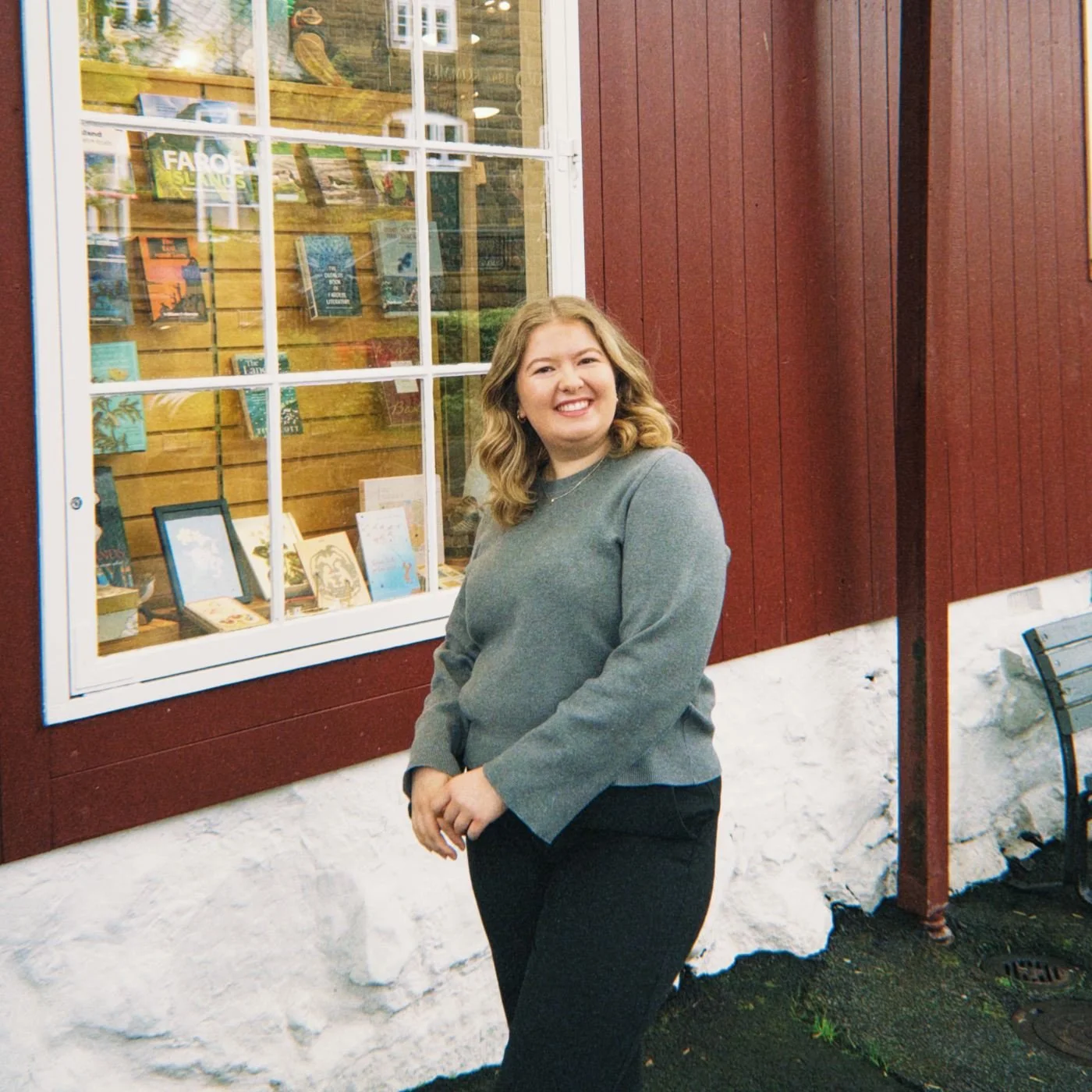
“I come from Valdres, and I have felt the depopulation problem on my body.”
Here, outside H.N. Jacobsens Bókahandil in Tórshavn, the Faroe Islands.
By: Karoline Holen Sveen
Today, I live in Tromsø, the "Capital of the Arctic”, and I have seen how a growing city attracts young people from all over the world, and tourists. Many people, including myself, move from their hometowns to study, work, or experience something new. But does that necessarily mean that rural communities must lose?
Our visit to the Faroe Islands made me question some of my own assumptions.
A place to belong
On arrival, I met a small country, remote, difficult to access and far away from the rest of the world. Compared to the Faroes, Tromsø and Valdres both felt like Brussels in comparison. For the first time, I truly felt what it was like to be out on the edge of the ocean.
The archipelago lies alone in the Atlantic ocean, surrounded by the sea, rough weather conditions and steep mountains. The scenery should make me (and people in general) feel alone and isolated, but something took me by surprise. The locals we met didn’t seem isolated, quite the opposite. They appeared proud of their home country. They spoke warmly about their local communities and all the opportunities they had available. It made me reflect on what actually makes a place attractive to live in.
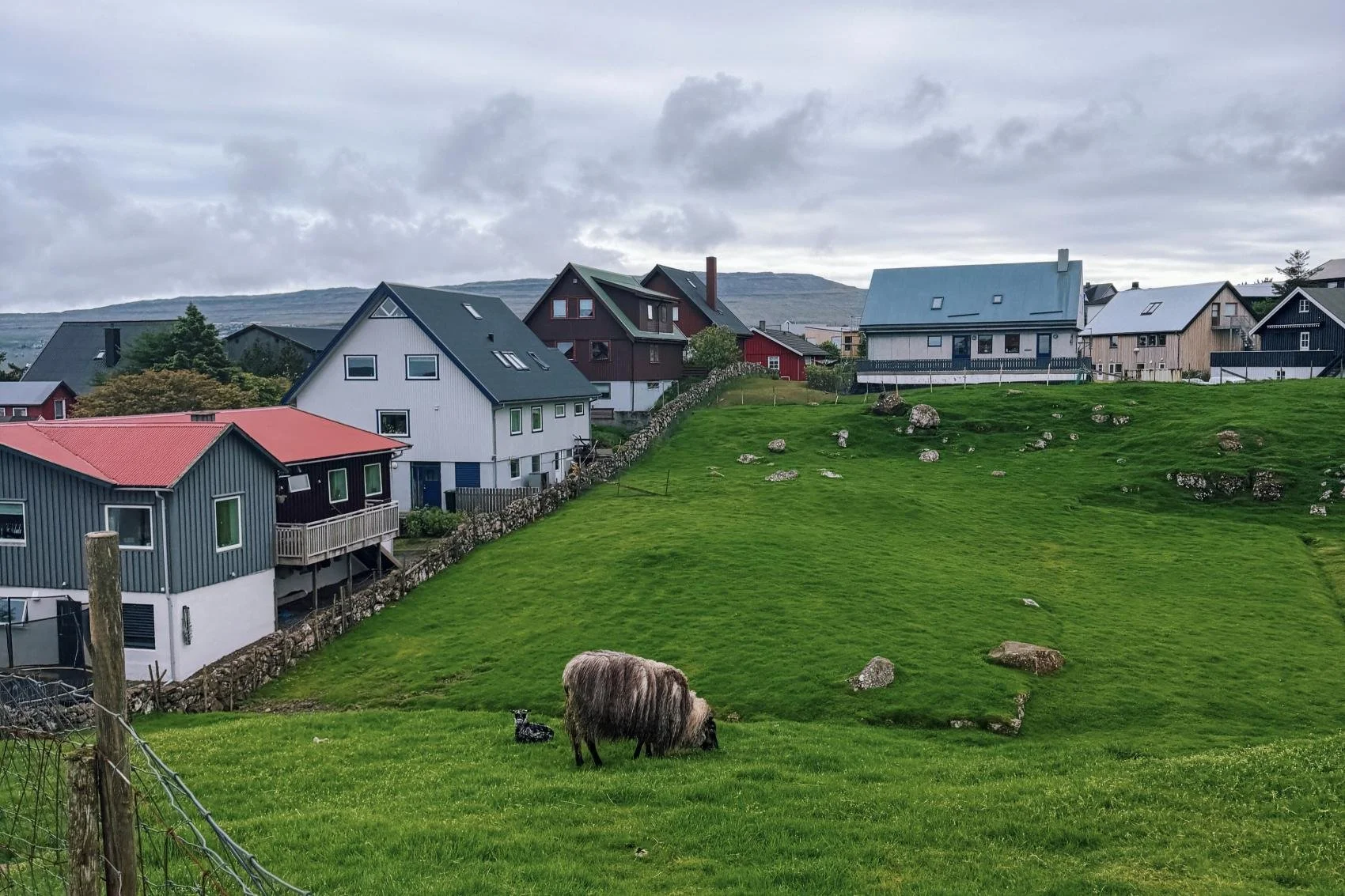
Life in the Faroes: Perhaps it's not about the distance to the big cities, the number of inhabitants or the number of shops and cafés. Maybe it's about the feeling of belonging, identity and being a part of something bigger than yourself?
Supporting young and old
During Northern Futures Hub we talked about voluntourism and ageism (discriminating against young or seniors). Although these topics may seem different, they were ultimately about people and community. How do we create societies where both young and old can feel valued and important? How do we build local communities, small and big, that people want to stay in, or return to?
As a future teacher, I believe these are important questions. Today we can see that the small and rural schools are being shut down. We can hear the reason is depopulation and the centralisation of educational structures. Schools are among the most important institutions in a community. It`s in school that children develop identity, creativity and dreams for the future. Perhaps it is through strong communities, like the ones in the Faroes, and supportive environments for young people that rural areas can remain attractive in the years to come.
If I were to highlight one possible solution, it would be giving youth a genuine voice in shaping their communities.
We talked about ageism, and how easy it is to underestimate both young and older people. Maybe we can find a part of the solution here? The young represent the future, while the elders carry valuable experience. Both groups are essential if we want to create communities that people genuinely want to be a part of.
Learning across borders
Another thing I will take with me from this project is how much Tromsø and Northern Norway, the Faroe Islands, and Iceland have in common. Even though we are separated by oceans and national borders, we face many of the same challenges related to settlement, young people, and community development.
How do we create attractive places to live in? How do we encourage young people to stay, or return after completing their education? And how do we ensure that both young and old are heard when shaping the future?
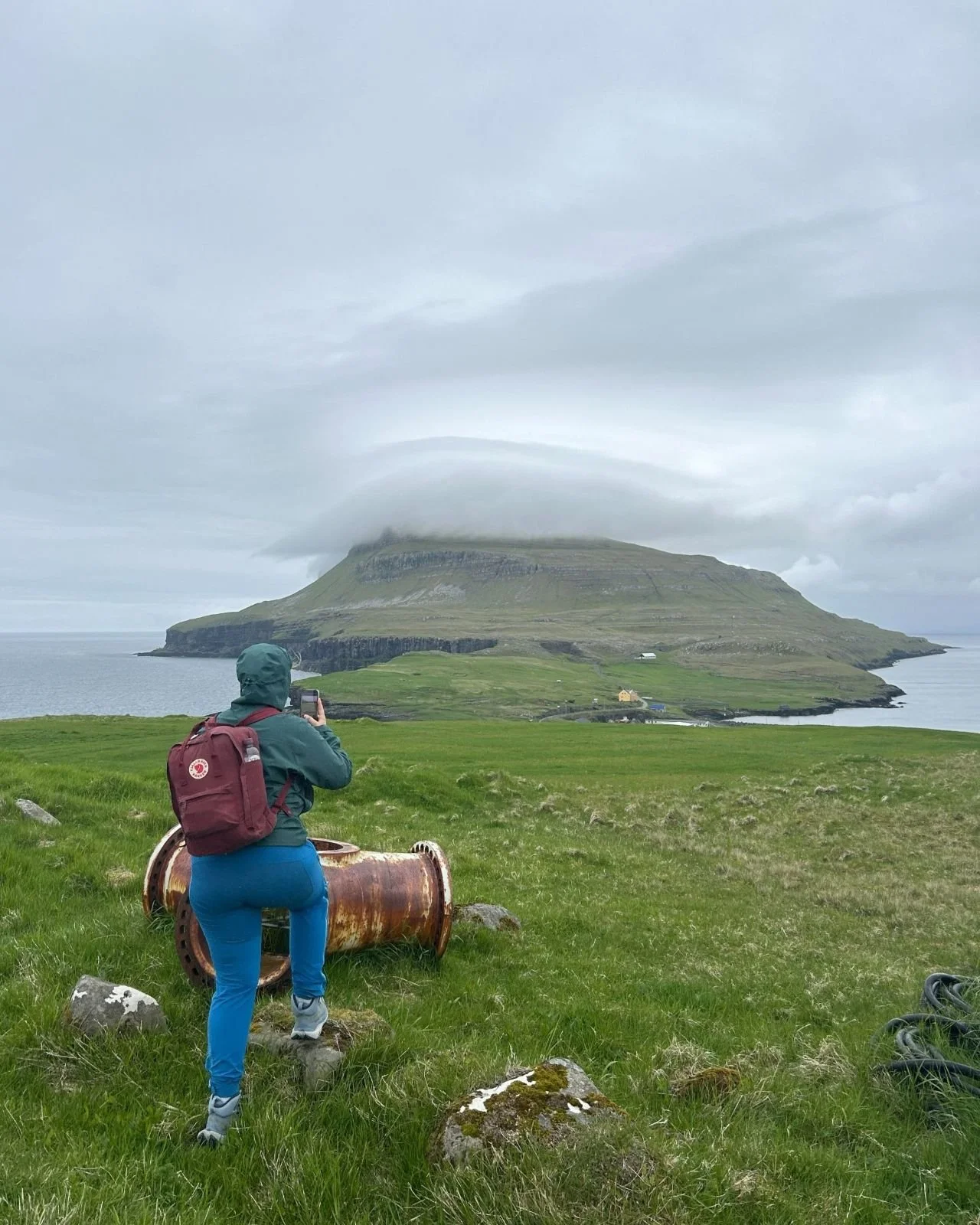
Cross-border cooperation will become increasingly important. By sharing experiences, ideas, and solutions, we can learn from one another.
Perhaps Tromsø does not have all the answers, and perhaps neither the Faroe Islands nor Iceland do. But together, we can create a stronger foundation for addressing our challenges.
As a future teacher, I hope that young people will continue to have the option of settling in smaller communities without having to compromise on opportunities, education, or quality of life.
The biggest lesson I will take with me from the Faroe Islands is that the future is not created only in the largest cities. It is also created in small coastal communities, in fjords, in valleys, and on islands. The future does not exist in one particular place; it is built wherever people choose to engage, create communities, and believe in the place they call home.
