

Let’s imagine something new
What do I see? A generation of young who wants to travel differently, work differently, and think in new directions. Let us double up on our efforts to learn from other Nordic countries.
By: Henriette Pleym Arctander
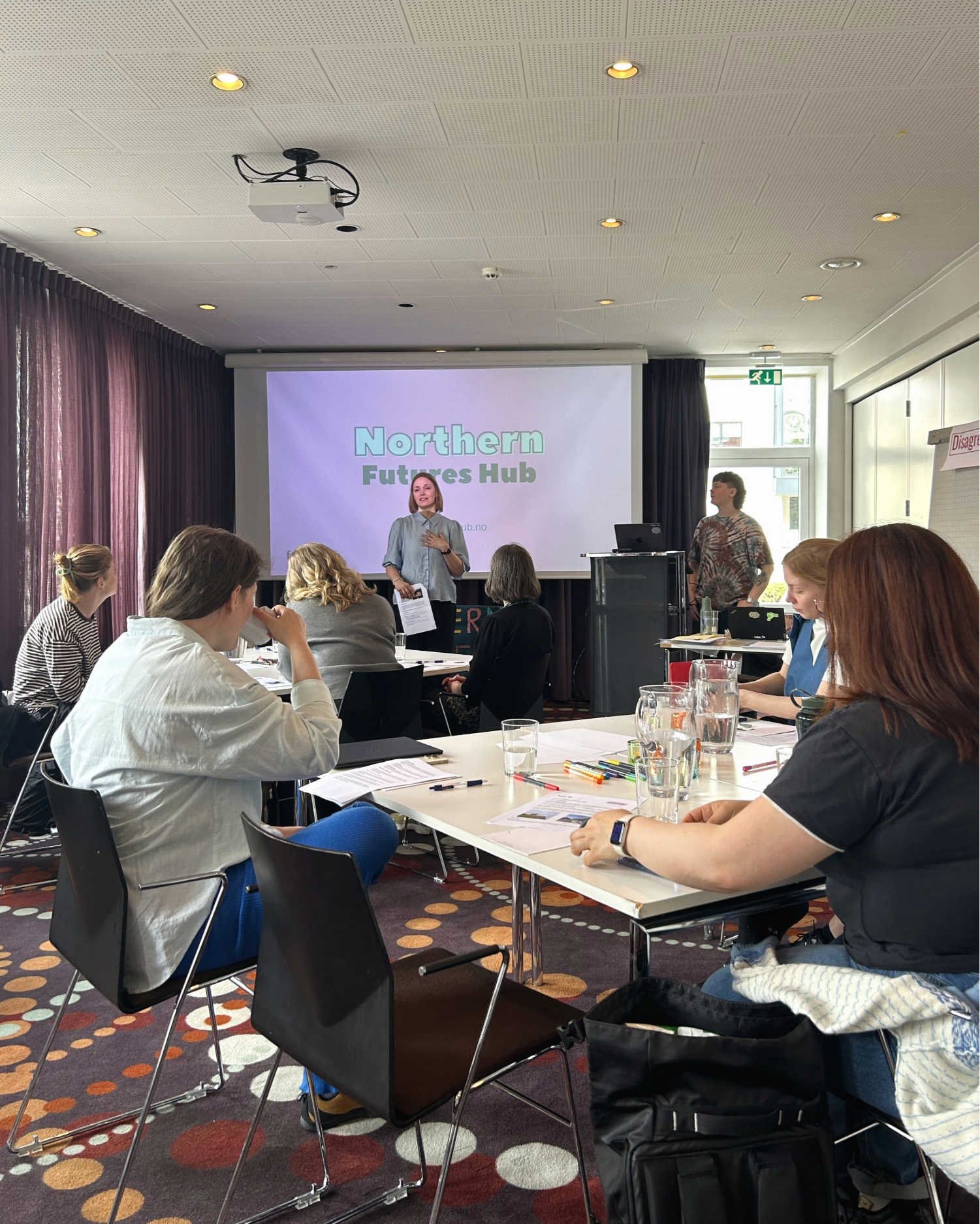
When I first heard about this trip and workshop with Folke, I figured it was a way for me to try something new. Since I also had free from school, I had an opportunity to join. This was also a way to discover and learn new things. On this trip I have met a lot of new people from various places in the world, some from Iceland, the Faroe Islands and Norway, suddenly someone from Mexico and other places.
Before going to the Faroes, I was a little hesitant. I did not know what was expecting me, but being able to go to a place I have never been before is always exciting. The opportunity to gain experience and detect something new is something I always find intriguing.
When I arrived, I did not expect much, but was met with dramatic landscapes, steep cliffs, sheep, and luckily pleasant weather. Gorgeous scenery, and interesting conversations would follow.
Workshop themes and voluntourism
During our journey and workshops, we discussed some questions around tourism, AI, and other themes. We talked about the future, about communities, ageism, and about how people from different generations and countries can work together.
These conversations open for thinking about tourism not only as places where we travel. It is about the kind of future we are helping to create.
Tourism is a huge industry. It creates jobs, connects cultures, and allows people to experience places beyond their own communities. At the same time, tourism can create challenges. Popular destinations often struggle with overcrowding, environmental damage, rising housing costs, and pressure on local cultures. It is something many of us are confronted with in Norway. In Tromsø where I live, we experience this especially when it comes to Airbnb and housing costs. A place that used to be a huge “student city”, begins to force students out and tourism in.
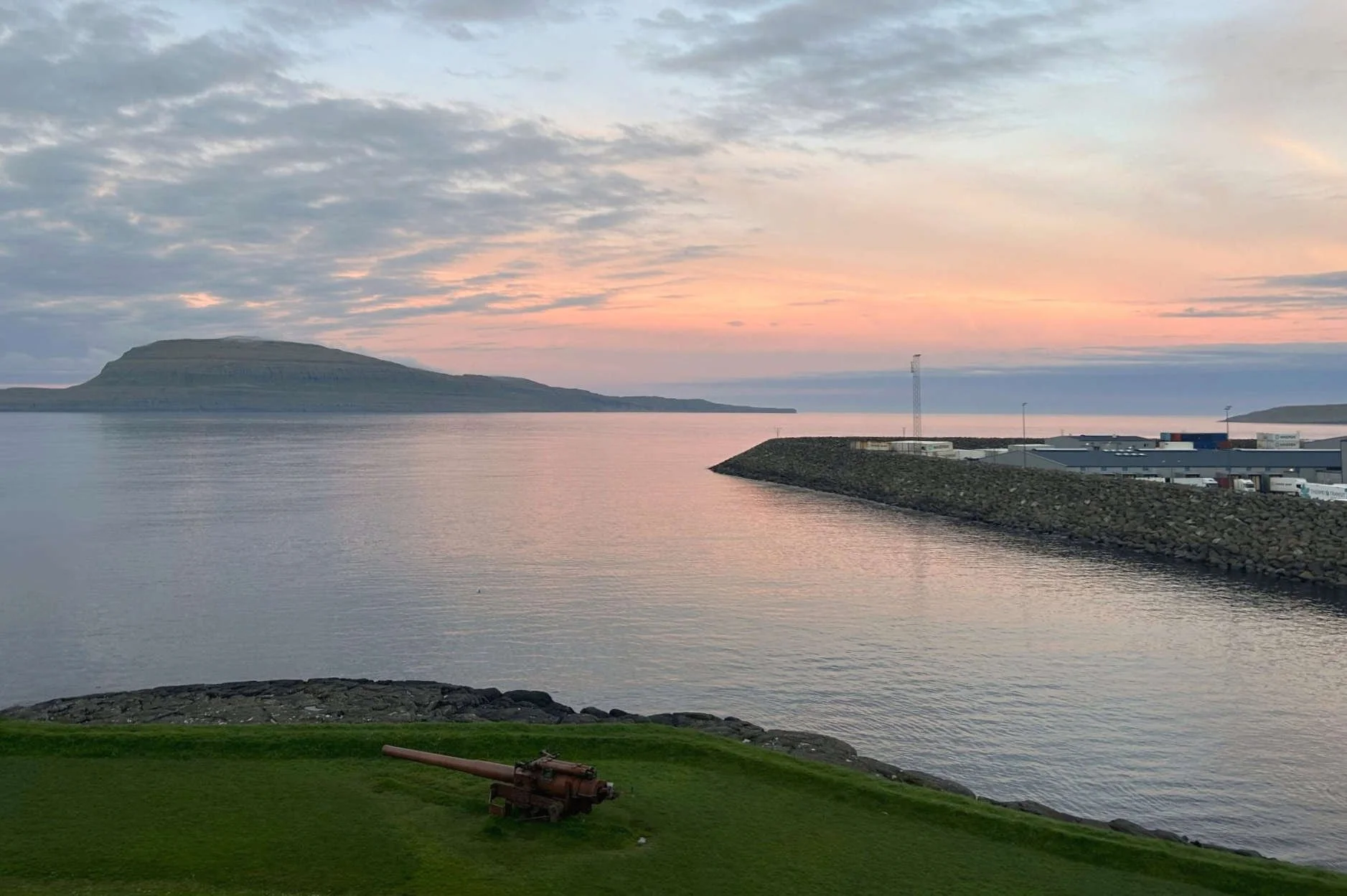
As a young person thinking about the future, I wonder: How will the future be? What will be the impact of tourism and how will communities change?
One of the things we discussed in our workshop in Tórshavn was voluntourism – travel that combines tourism with volunteer work. This is something that the Faroe Islands has taken a new direction in. It is something they have integrated into society, which they can engage with and use as building blocks in nature and urban settings. They do it with the help of volunteers from all over the world, and their own population.
Norway's way forward
In recent years, Norway has become increasingly popular because of its fjords, northern lights, and spectacular nature. While this popularity brings economic opportunities, it also creates challenges. Some small communities receive thousands of visitors during peak seasons, placing pressure on infrastructure, waste management, and natural areas.
Rather than simply attracting more tourists, Norway could focus on building a volunteer system like the Faroes. Inviting people from around the world who want to visit our places. But who also are ready to join a group and create value for local communities while protecting nature and culture.
Some ideas that could improve tourism in Norway and other countries:
Encourage longer stays: Many tourists visit famous destinations for only a few hours before moving on. Governments and tourism organisations could encourage longer stays through local experiences, cultural activities, and regional travel passes. Visitors who stay longer often spend more money locally while creating less pressure from constant transportation.
Spread tourism throughout the year: Many places suffer from overcrowding during summer while struggling economically during winter. Promoting year-round tourism can reduce pressure on popular locations and provide more stable employment opportunities.
Regional collaboration and innovation
The Faroe Islands showed me that small communities can have extensive ideas. Their ability to balance tradition with innovation offers lessons for many of us. At the same time, I believe stronger collaboration between Tromsø, the Faroe Islands, and Iceland could create exciting opportunities.
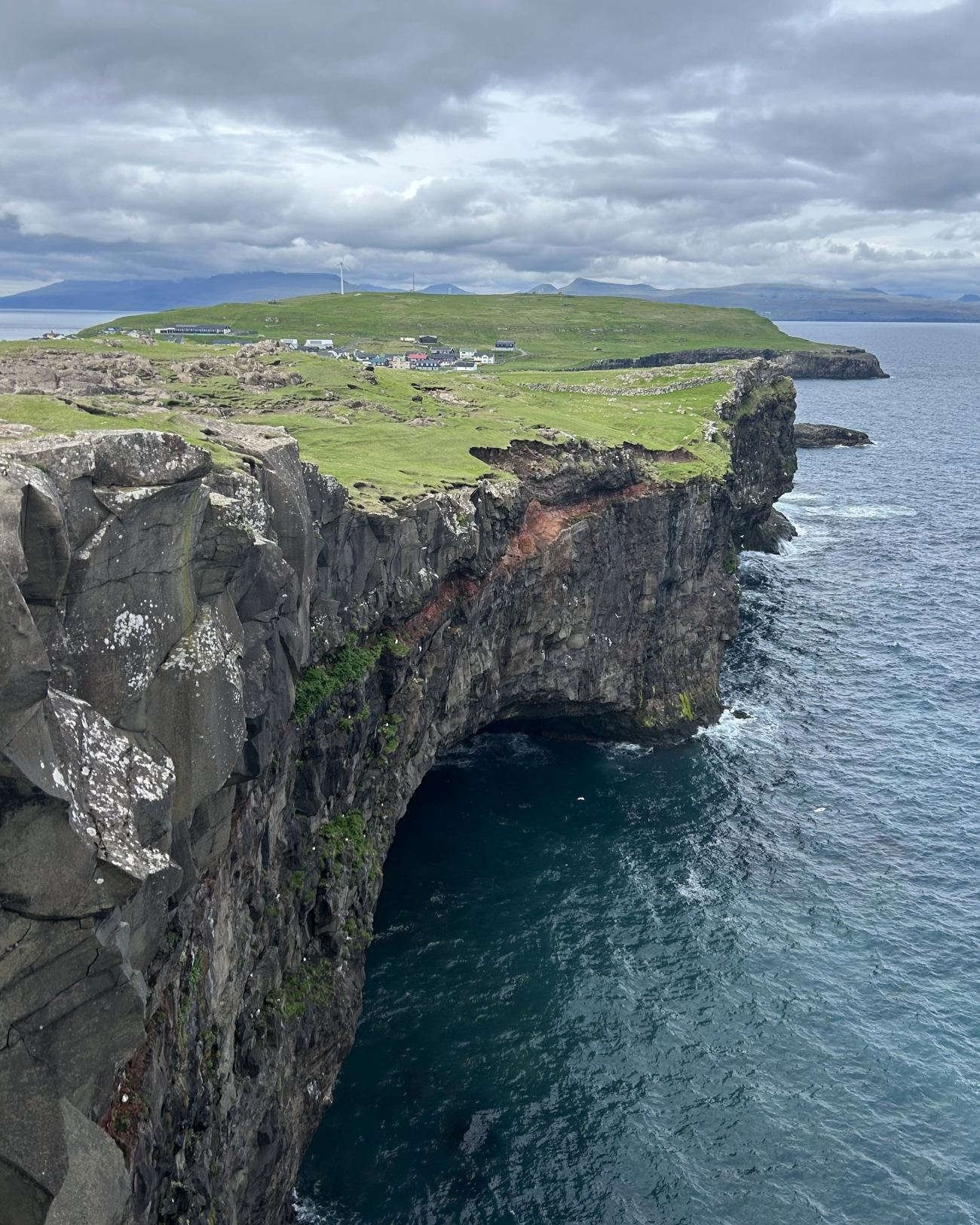
These regions share similar challenges: climate change, depopulation in some areas, sustainable development, and balancing tourism with local needs. We discussed during the workshop that more youth exchanges, joint innovation projects, cultural festivals, and educational programs could strengthen these connections.
Instead of competing for visitors, northern communities could learn from one another and develop shared solutions.
When I think about the future, I feel both hopeful and concerned. Climate change, social divisions, global tension, and economic uncertainty are challenges. Yet I also see a generation that wants to travel differently, work differently, and think in new directions. I think that many young people, like me, are looking for authenticity, sustainability, and meaningful experiences.
